
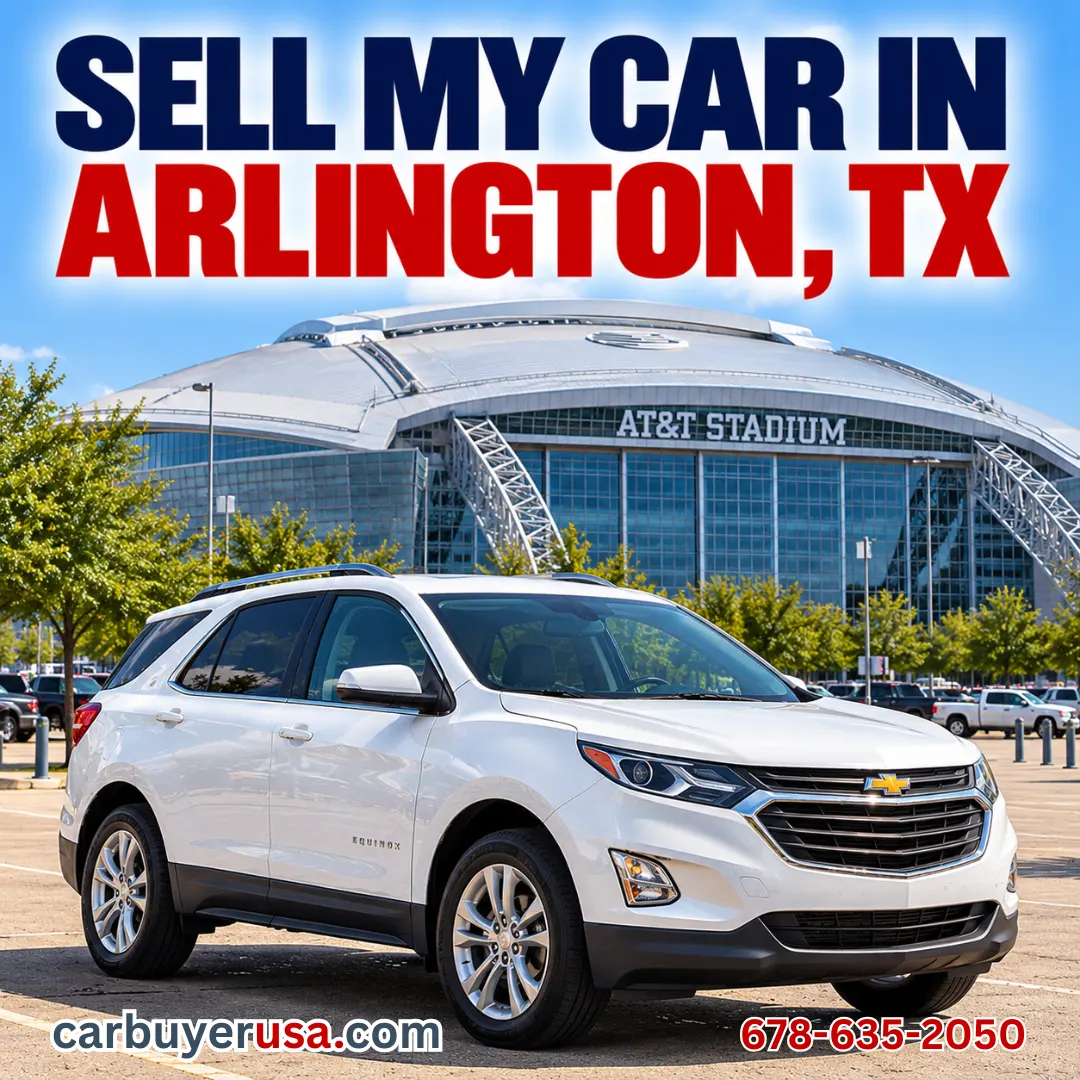
In Arlington, Texas, having a car isn't just convenient. For many residents, it's practically essential. Between commuting across the Dallas–Fort Worth Metroplex, running errands along Cooper Street and navigating game-day traffic near AT&T Stadium, Arlington drivers spend plenty of time behind the wheel. But what happens when the vehicle you depend on starts demanding more...
Read More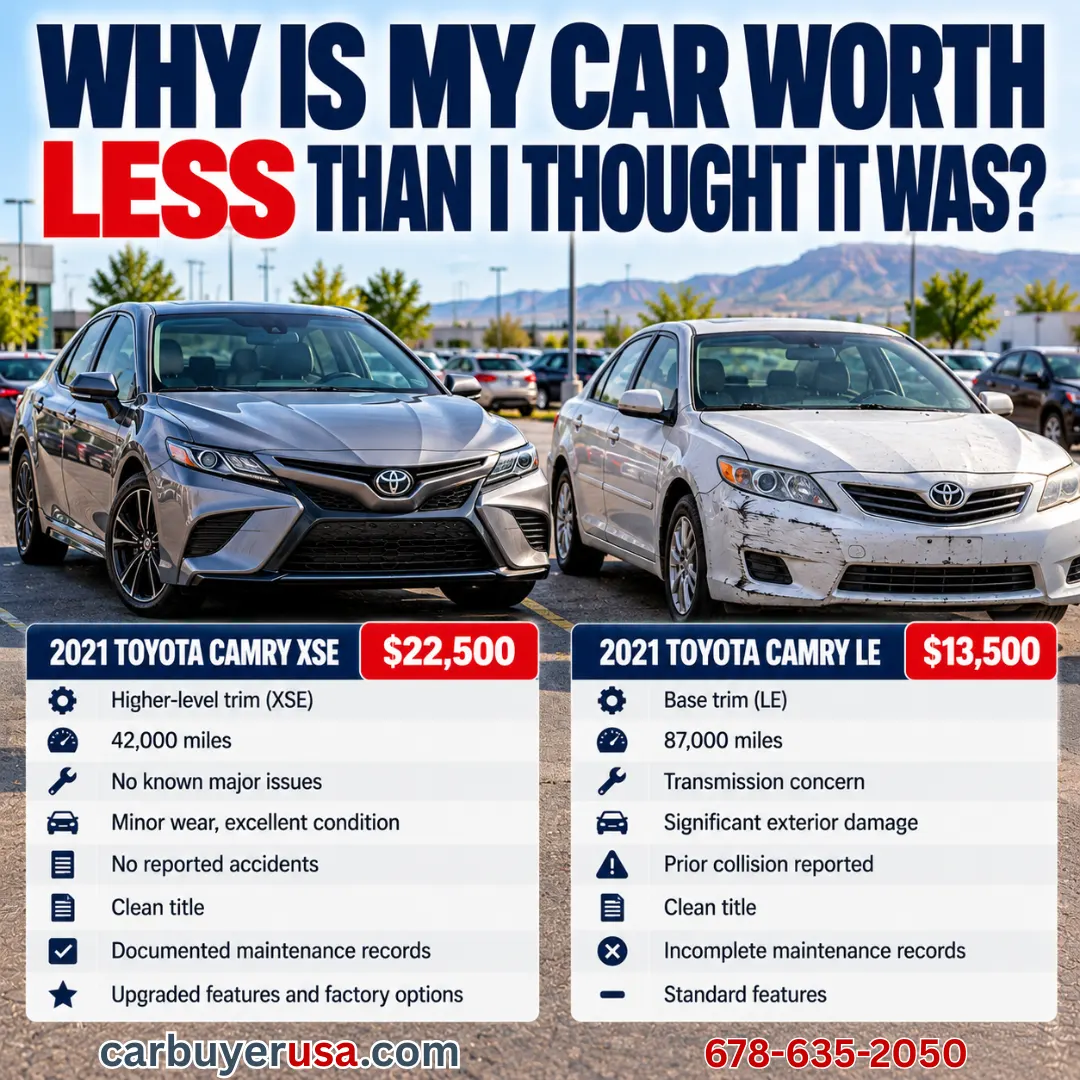
YOU KNOW WHAT YOU PAID FOR YOUR CAR. SO WHY IS IT WORTH LESS THAN YOU EXPECTED? You search online, find vehicles resembling yours, and discover asking prices thousands of dollars higher than the valuation you've received. Frustrating? Absolutely. But two vehicles with the same year, make, and model can have dramatically different values. The...
Read More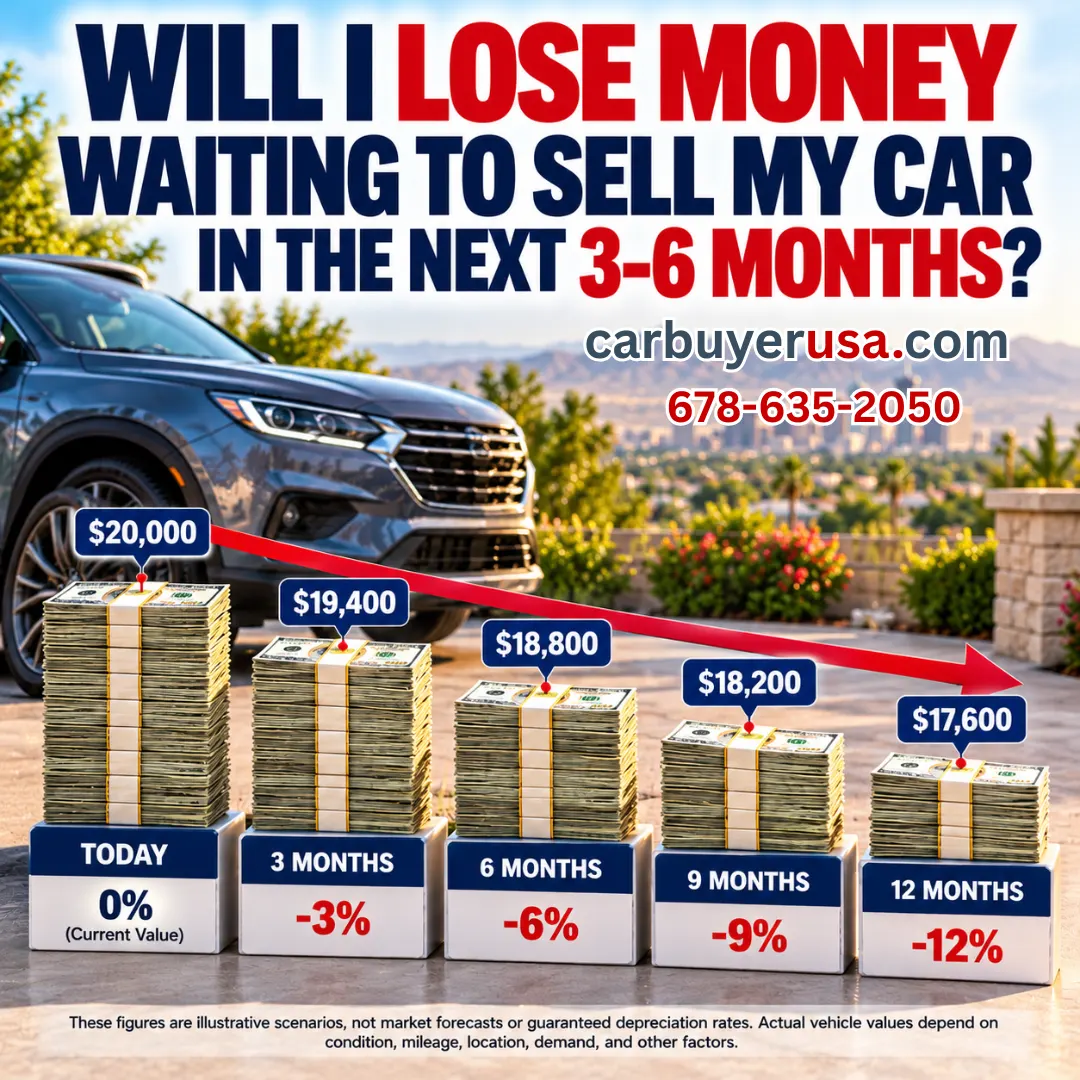
YOUR CAR COULD BE LOSING VALUE WHILE YOU'RE STILL DECIDING WHETHER TO SELL IT! You love your car. It runs well, looks good, and gets you where you need to go. So why rush to sell it? Because every month you wait could change what someone is willing to pay for it. Vehicle values aren't...
Read More
YOUR CAR'S PRICE TAG HAS A PAST. ITS VALUE HAS A PRESENT. Remember how exciting it was when you bought your car? You probably spent hours comparing models, choosing features, negotiating the price and convincing yourself that the upgraded sound system was absolutely necessary. Fast-forward a few years, and you're searching “Kelley Blue Book Value...
Read More
Tulsa has always been a city that appreciates a good automobile. After all, historic Route 66 runs right through town, and the Mother Road helped put Tulsa on the map as one of America's great driving destinations. But there's a big difference between enjoying a Sunday cruise down 11th Street and depending on an aging...
Read More
THE DEALERSHIP SAYS YOUR TRADE-IN IS WORTH $12,000. BUT WHAT IF SOMEONE ELSE WOULD PAY $14,000? THAT'S $2,000 YOU COULD BE LEAVING BEHIND! Trading in your vehicle when purchasing another one certainly sounds convenient. Drive in with your old car, choose something newer, sign the paperwork, and head home. One transaction, one location, and supposedly...
Read More
Minneapolis is a city that knows how to handle winter. Its residents? Pretty impressive. Their vehicles? That's another story. From frozen mornings along Hennepin Avenue to bumper-to-bumper traffic on I-35W, Minneapolis drivers put their vehicles through conditions that would make cars in warmer states beg for mercy. And with another Minnesota winter approaching, there's one...
Read More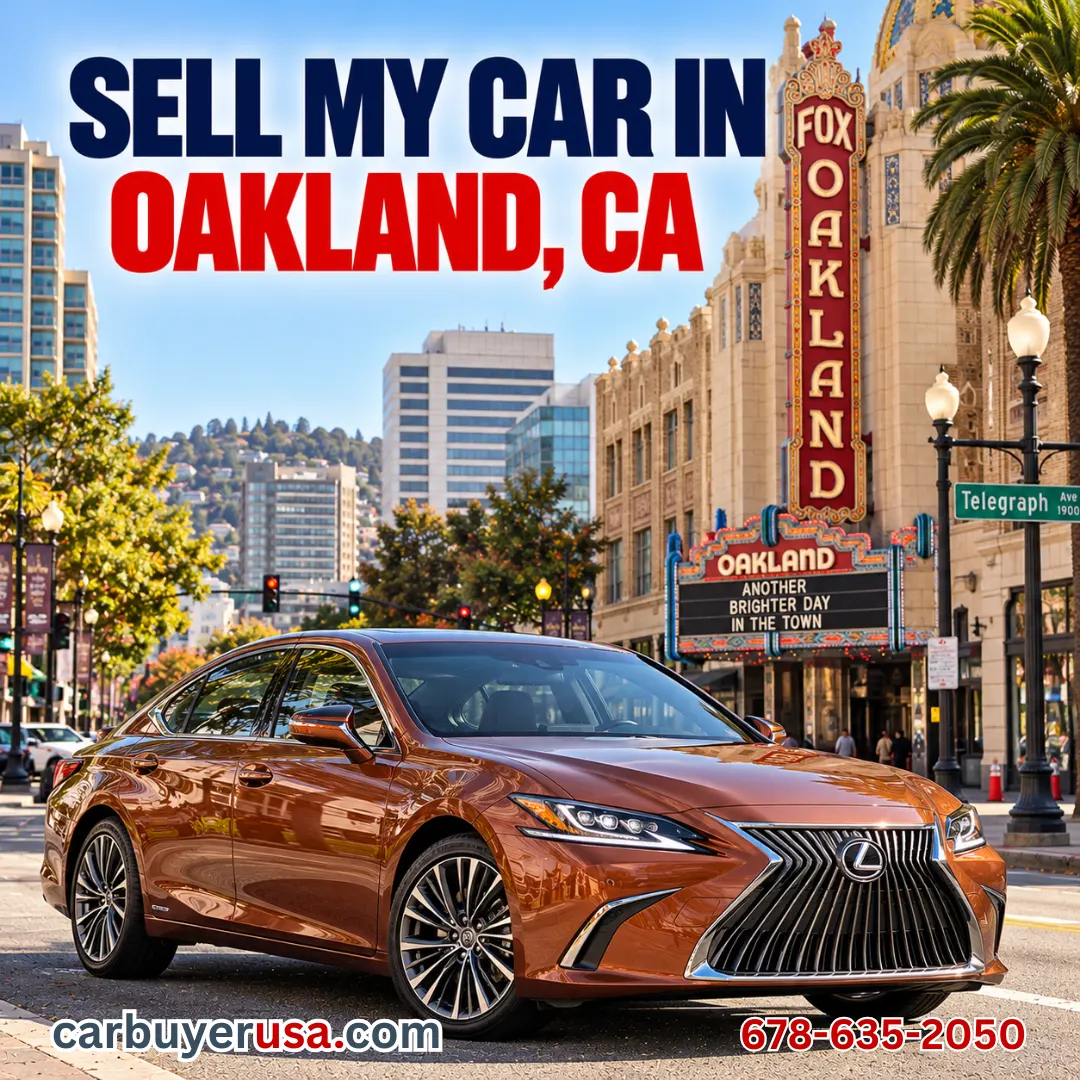
Oakland has a personality all its own. From the restaurants and waterfront at Jack London Square to the winding roads of the Oakland Hills, this city offers plenty of reasons to get out and explore. But owning a car in Oakland can be a different story. Between Bay Bridge congestion, crowded freeways, parking headaches and...
Read More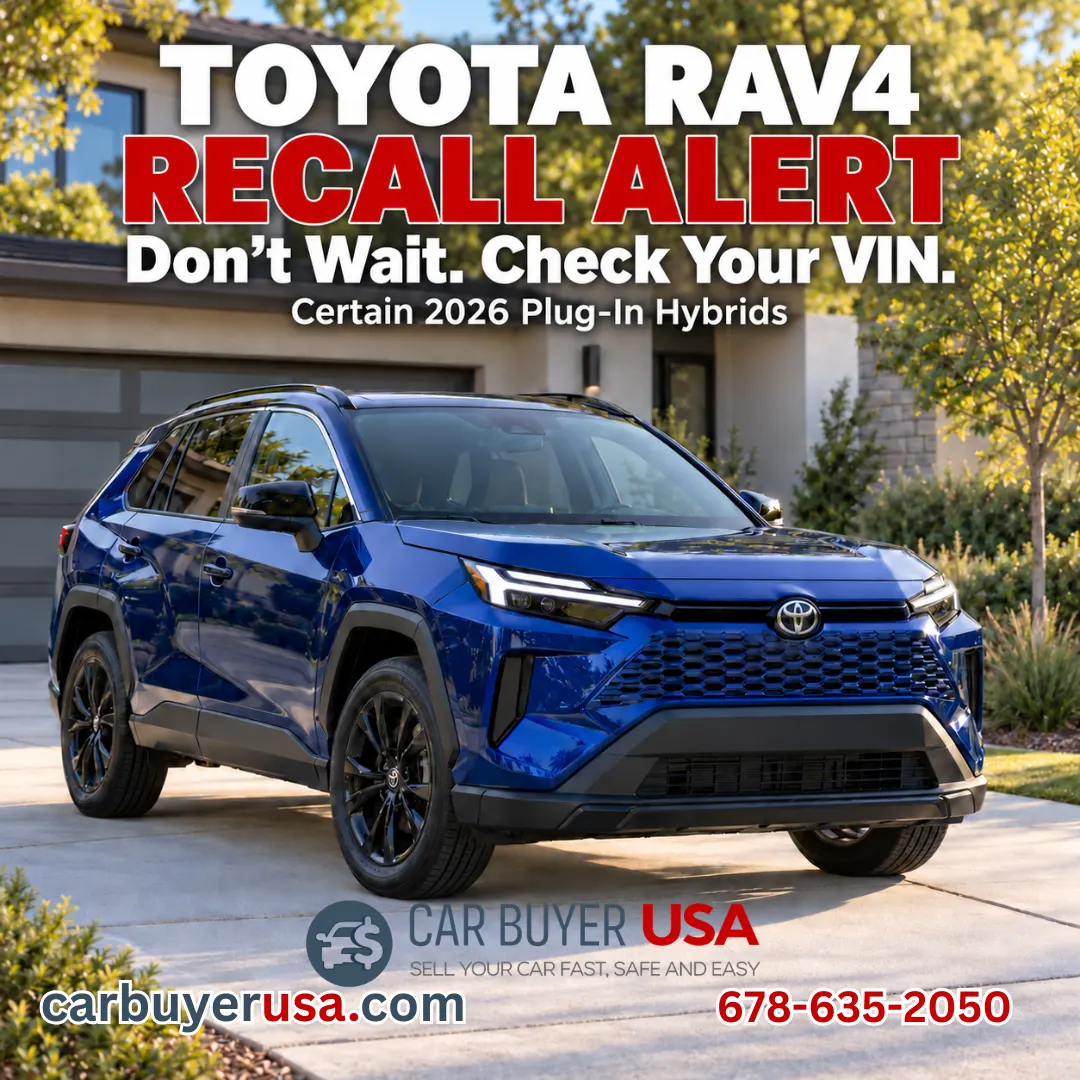
Your vehicle starts. The dashboard looks normal. Yesterday’s commute went fine. That means an open recall can wait, right? That is a gamble no driver needs to take. Toyota’s latest RAV4 plug-in hybrid recall is a reminder that a safety defect does not have to announce itself before creating a dangerous situation. At CarBuyerUSA, we...
Read More
YOUR CAR DOESN'T STOP COSTING YOU MONEY AT 5 P.M. SO WHY SHOULD YOU WAIT UNTIL MONDAY TO START SELLING IT? It's Saturday night. Your unused SUV is sitting in the driveway, another insurance payment is approaching, and its registration renewal is around the corner. That vehicle isn't taking you anywhere. It's just occupying space...
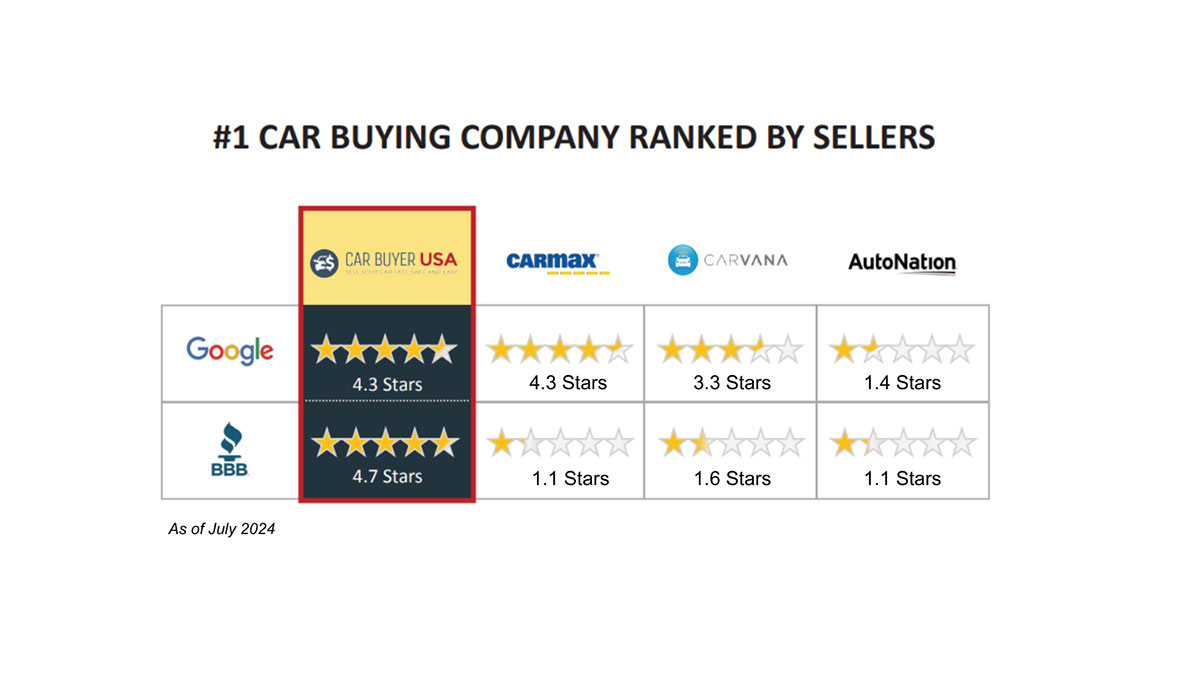
Read MoreCarBuyerUSA's Ratings VS The Big Guys
How It Works
We pay cash for cars, trucks, & SUVs, in any condition, anywhere in the Continental USA.
1
Get an Instant Cash Offer
Enter the Year, Make, Model, Trim Level & Miles (No VIN Required) and your cash offer appears onscreen (94% of the time)
2 Accept your offer
CarBuyerUSA offers are Cash Market Value.
Funds are guaranteed and paid at the time of pickup or drop-off
3Talk to an Agent
Your CarBuyerUSA representative schedules a no obligation inspection. In most markets an on-site mobile inspection can be arranged. The digital purchase agreement takes less than 60 seconds to complete.
4 Get Paid
When CarBuyerUSA picks up your truck, you are paid on the spot in full with guaranteed funds – entire process is hassle free.
Inspection, title work & pick up are all FREE.